Food shopping in Czechia can be a confusing experience for the first-time visitor or new expat. While many products look familiar, the labels are often written in a way that makes even simple staples like bread, flour, or dairy hard to recognize. This guide to food shopping in Czechia explains common Czech food names in supermarkets.
đ Common Confusing Foods in Czech Shops
Some products in Czech shops are notorious for being “traps” for newcomers. Even if you recognize the pictures on the packaging, the technical differences in how these items are processed can lead to cooking mistakes. Before we get into the full product lists, letâs tackle the specific labels that cause the most confusion in the kitchen.
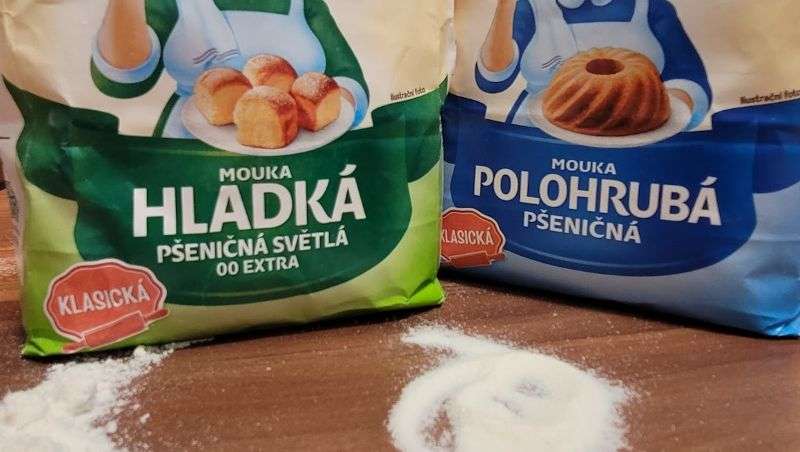
đȘCzech Flour Types (Mouka Explained)
In many countries, you just buy “Plain” or “Self-raising” flour. In the Czech Republic, flour is categorized by how finely it is ground. Using the wrong one can ruin your recipe!
- HladkĂĄ mouka (Fine / Smooth): Best for pancakes (palaÄinky), thickening sauces, and most cakes.
- PolohrubĂĄ mouka (Semi-coarse): The “all-purpose” middle ground. Used for traditional Czech sponge cakes (bublanina).
- HrubĂĄ mouka (Coarse): Best for boiling. This is what you use for authentic Czech dumplings (knedlĂky) or pasta.
- Self-raising? It doesn’t really exist here. You must buy KypĆicĂ prĂĄĆĄek (baking powder) separately.

đ„Cream (Smetana) vs. Sour Cream (ZakysanĂĄ Smetana) and Cooking (na vaĆenĂ) vs. Whipping (ke ĆĄlehĂĄnĂ)
This is where many shoppers make mistakes. There are several types of cream in Czech shops with very similar names. Always check the fat percentage on the packaging and look for the word “ZakysanĂĄ” to identify sour cream!
- Smetana na vaĆenĂ (Cooking Cream): Usually 10% to 12% fat. Use this for sauces like SvĂÄkovĂĄ or for coffee. It is thin and will not whip.
- Smetana ke ĆĄlehĂĄnĂ (Heavy or Whipping Cream): Usually 31% to 33% fat. Use this if you want to make whipped cream for desserts.
- ZakysanĂĄ smetana (Sour Cream): Found in the same fridge. Itâs thick and tangy, perfect for soups, salads or tacos. Fatness is 10-16%.
- Ć lehaÄka ve spreju: Whipped cream in a pressurized spray can.

There is a significant difference in fat content between cooking cream and whipping cream (12% vs. 30%+). However, both are fresh and sweet; you can use either for your coffee, though you’ll need a much smaller amount of the whipping cream! If you accidentally buy ZakysanĂĄ smetana (sour cream), you will notice it tastes more like yogurt, but with a much higher fat content (usually 12â16% compared to yogurtâs 0.5â5%).
đ§ Butter vs Yeast in Czech Shops (MĂĄslo vs DroĆŸdĂ)
This is perhaps the most common mistake for travelers and new expats in Czechia.
The Mistake: You are looking for a small, individual serving of butter, and you see a tiny, 42g foil-wrapped cube. It looks like butter, itâs in the dairy fridge, and itâs wrapped in silver or gold paper.
The Reality: That tiny cube is almost certainly DroĆŸdĂ (fresh yeast).
- MĂĄslo (Butter): In Czech supermarkets, the standard size for butter is a 200–250g block. You will rarely find smaller individual portions unless you are in a hotel breakfast buffet.
- DroĆŸdĂ (Yeast): These are sold in very small cubes (usually 42g).
â Tip: If itâs 42g and wrapped in foil â itâs probably yeast, not butter.
Essential Pantry Items
- Olej: Oil (usually SluneÄnicovĂœ – Sunflower or ĆepkovĂœ – Rapeseed/Canola).
- Ocet: Vinegar. Be carefulâCzech KvasnĂœ lihovĂœ ocet is very strong (8%) compared to apple cider vinegar.
- DroĆŸdĂ: Yeast. You will find small fresh cubes in the dairy fridge and dry packets in the baking aisle.
- Strouhanka: Breadcrumbs. Czechs use these for everything, especially SmaĆŸenĂœ sĂœr (fried cheese).
Stop overpaying for dinner! Learn the best strategies for How to Actually Find Cheap Restaurants in Prague and eat like a local for a fraction of the price.
Bread Names in Grocery Shops (RohlĂk, Houska, ChlĂ©b Explained)
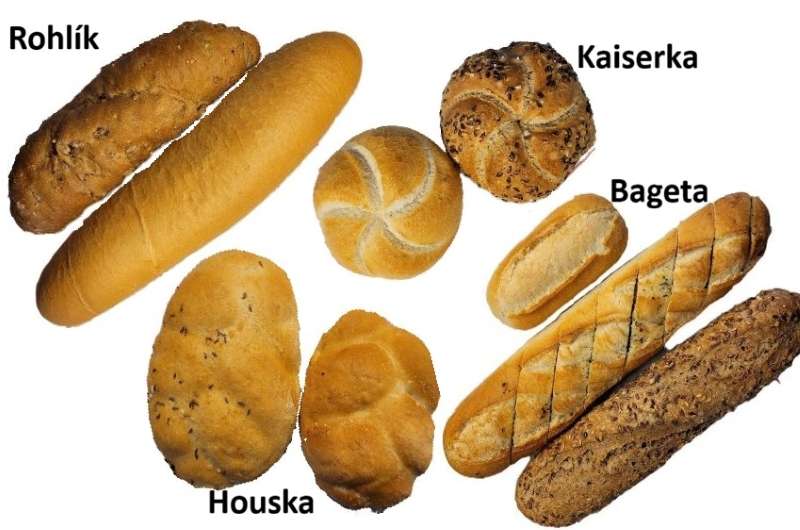
Bread plays an important role in the Czech diet. In supermarkets and bakeries, you will see many different types of bread and bread rolls. ChlĂ©b (bread) â This is the Czech word for bread. It is usually darker and heavier than typical white bread in Western Europe. Many types are made from rye (ĆŸitnĂœ) or a mix of wheat and rye. Czech bread often contains caraway seeds, which give it a distinctive taste.
RohlĂk, Houska, Kaiserka…what is it?
A rohlĂk is the most common Czech bread roll. It is white, soft, and slightly crispy on the outside. Many Czech people associate rohlĂk with childhood, and it is still eaten daily. You will often see people eating it on its own or using it for sandwiches. It is also very cheap, which makes it a basic everyday food.
Houska, kaiserka â These are other types of bread rolls. They are usually a bit more structured than a rohlĂk and may be topped with poppy seeds or sesame seeds. They are great for both sweet and savory sandwiches.

Other pastries
Bageta (baguette) â A longer type of white bread, similar to a French baguette. You can also find versions made with whole grains or seeds.
KolĂĄÄ, ĆĄĂĄtek â Sweet pastries filled with fruit, poppy seeds, or soft cheese (tvaroh). These are popular as snacks or for breakfast.
Before you grab your bags, make sure to check the calendar. Czechia has specific laws that force large supermarkets to close on certain dates. See our full list of Czech Public Holidays and Shop Closures so you don’t end up standing in front of a locked door!
đ¶Names for Milk and Dairy in the Czech Language (MlĂ©ko a mlĂ©ÄnĂ© vĂœrobky)
In Czech shops you will see many dairy products with different fat levels.
Milk – MlĂ©ko đ„
Milk In Czech shops, milk is usually divided by fat content:
- PlnotuÄnĂ© (3.5%) â Whole milk (Red label)
- PolotuÄnĂ© (1.5%) â Semi-skimmed (Blue label – most popular)
- NĂzkotuÄnĂ© (0.5%) â Low-fat (Light blue/Green label)
Yogurt – Jogurt
Yogurt available plain (bĂlĂœ) or with fruit.
- Jogurt (yogurt) â Available plain (bĂlĂœ) or with fruit.
- SelskĂœ jogurt â âfarmerâs yogurt,â usually thicker and less liquid
- Jogurt ĆeckĂ©ho typu â Greek-style yogurt, higher in protein
- SmetanovĂœ jogurt â creamy yogurt, fattier and richer in taste
What is Kefir?
KefĂr and Fermented Drinks. KefĂr is a fermented milk drink with a slightly sour taste. It is very common in the Czech Republic and is often sold plain or with fruit flavor.
You may also see acidofilnà mléko, another fermented milk drink with different bacteria and a milder taste.
Czech Cheese Guide
SĂœr (cheese) â Czech supermarkets offer many types of cheese, both hard and soft.
- Half-Hard cheeses: eidam, gouda (very common)
- Soft cheeses: often used for spreading on bread
If you want to try traditional Czech cheese, look for:
- OlomouckĂ© tvarĆŻĆŸky â a famous Czech cheese with a very strong smell (similar to some strong European cheeses)
- SĂœrovĂ© nitÄ / rolky â string or rolled cheese, often slightly salty and sometimes smoked (uzenĂ©)
Czechs also commonly eat spreadable cheeses, which are soft and easy to put on bread like rohlĂk or houska. These can be plain or mixed with herbs such as chives (paĆŸitka), basil (bazalka), or paprika.
Tvaroh â what is it?
Tvaroh is a dairy product somewhere between cottage cheese and cream cheese. It is widely used in Czech cooking, especially in desserts, cakes, or eaten with sugar and fruit. It can also be eaten in a savory way with salt and spices. In shops, you can find tvaroh:
- plain
- sweetened (sometimes with fruit)
- salted
The salted or savory versions of tvaroh are often sold as pomazĂĄnky (spreads). These are perfect for sandwiches as a healthier or more flavorful alternative to butter or mayonnaise
đ„Short Dairy Names List
- MlĂ©ko â Milk
- MĂĄslo â Butter (Usually 82% fat)
- Jogurt â Yogurt
- Tvaroh â Curd/Quark
- Smetana â Cream
Trying to stay on a budget while exploring? Itâs still possible to find a great meal without breaking the bank. Check out our latest guide: “Eat in Prague Under 150 CZK in 2026? Really?“đČ for our favorite cheap eats and hidden gems.
đ„©Meat and Sausages in Czech Supermarkets (Maso a uzeniny)
Meat and sausages are an important part of Czech cuisine. In supermarkets, you will usually find them in sections labeled âmasoâ (meat) and âuzeninyâ (cold cuts and sausages). Here are the most common meat names:
- Maso â meat
- VepĆovĂ© maso â pork (very popular in the Czech Republic)
- HovÄzĂ maso â beef
- KuĆecĂ maso â chicken
- KrĆŻtĂ maso â turkey
- KrĂĄlĂk â rabbit meat

đSausages, Ham, and Processed Meat (Uzeniny)
đThis word (uzeniny) is commonly used in Czechia and includes ham, sausages, and other processed meat products.
Czech supermarkets offer a wide variety of sausages, ham, and other processed meat products.
- Ć unka (ham) â One of the most popular types is PraĆŸskĂĄ ĆĄunka (Prague ham). You will find it in almost every supermarket, usually sold sliced at the deli counter or pre-packed.
- KlobĂĄsa â A thicker sausage, often smoked and full of flavor.
- SalĂĄm â Salami, available in many types (soft, dry, spicy, etc.).
- PĂĄrky â what are they? PĂĄrky are thin sausages, similar to hot dogs. They are usually heated in hot water for a few minutes before eating and are a common quick meal.
If you want to see which store has the best sales this week, locals use the Kupi.cz website to compare prices across all major chains.
Czech Supermarket Drinks: From Pilsner Beer to Still Water
Drinks are easy to find in Czech food-shops or supermarkets, but some names and labels may be unfamiliar.
đ»Beer (Pivo) â Understanding the Degrees
You will see big numbers like 10°, 11°, or 12° on the cans. These are not alcohol percentages.
- What it means: It refers to the “Plato scale” (extract weight). Basically, the higher the number, the more malt was used, resulting in a fuller flavor and higher alcohol.
- 10° (VĂœÄepnĂ): Lighter, refreshing, lower alcohol (usually around 3.5% â 4%).
- 12° (LeĆŸĂĄk): The gold standard. A “Lager” with more body and higher alcohol (usually 4.5% â 5%).
- The Colors:
- SvÄtlĂ©: Light/Pale lager (most common).
- Polotmavé: Amber/Half-dark (malty and slightly sweeter).
- TmavĂ© / ÄernĂ©: Dark/Black beer (notes of coffee or chocolate).
đŸWine, Water, and Soft Drinks (Nealko)
Aside from beer in supermarkets or grocery shops, you will find a wide variety of local wines and specific water labels.
- VĂno (Wine): Czech wine is mainly produced in the Moravia region. Popular types include:
- RulandskĂ© ĆĄedĂ© â Pinot Gris (white)
- VeltlĂnskĂ© zelenĂ© â GrĂŒner Veltliner (white)
- PĂĄlava â A local aromatic white wine (usually sweeter).
- Voda (Water): Look closely at these three words, as the bottles often look identical!
- PerlivĂĄ: Sparkling (heavy bubbles).
- JemnÄ perlivĂĄ: Lightly sparkling.
- NeperlivĂĄ: Still water (no gas). Choose this if you want plain water.
- LimonĂĄda: Soft drinks or soda.
- Tip: Look for Kofolaâitâs the famous Czech herbal cola. Itâs less sweet than Coca-Cola and very popular!
đFruits and Vegetables (Ovoce a zelenina)
Fruits and vegetables are usually easy to recognize in Czech supermarkets, but it is still useful to know some basic names.
- Jablko â apple
- HruĆĄka â pear
- BanĂĄn â banana
- Brambory â potatoes
- RajÄe â tomato
- Okurka â cucumber
- Paprika â bell pepper
- Cibule â onion

Many fruits and vegetables in the Czech Republic are seasonal. In summer, you will often see fresh local products such as:
- Jahody â strawberries
- TĆeĆĄnÄ â cherries
- Ć vestky â plums
These are usually cheaper and taste better than imported ones.
âïž Is it priced by the Kilo or the Piece? (kg vs. ks)
One of the most important things to check on a price tag is the unit of measurement. If you aren’t careful, you might think a Pineapple is very cheap, only to realize the price was “per 100g” or “per piece.”
- kg (kilogram): The price is based on weight. Most standard vegetables like potatoes, carrots, and onions are sold this way.
- ks (kus): This means “piece.” The price is for the whole item, regardless of how much it weighs.
Common “per piece” (ks) items:
- AvokĂĄdo and Mango (almost always per piece).
- Okurka hadovka (the long cucumbers).
- LedovĂœ salĂĄt (Iceberg lettuce).
- HruĆĄka nashi (Nashi pear).
- Cuketa (Zucchini) or Lilek (Eggplant)
- Warning: These are tricky! In some shops (like Lidl), they are often sold by the piece, but in others (like Albert), they are sold by the kilo.
Shopping Tip: Always look for the small “ks” or “1 kg” text in the corner of the price tag. If you see “100g,” be carefulâthis is common for expensive items like ginger (zĂĄzvor) or chili peppers, and the price will add up very quickly!
â Final Check of the “Weights & Measures” Section
| Label | Meaning | Shopping Strategy |
| 1 ks | Per piece | Grab one and go. Weight doesn’t matter. |
| 1 kg | Per kilogram | You must weigh it (or the cashier will). |
| 100 g | Per 100 grams | Watch out! This is for expensive items (Ginger, Nuts, Garlic). |
đŁOther Everyday Products in Czech Supermarkets
Besides fresh food, you will also find many basic everyday products. Here are some common names you should know when shopping in Czech supermarkets.
- Vejce (eggs) â On Czech egg cartons, you will usually see:
- Number of eggs â for example 6, 10, 15, 30
- Size â S (small), M (medium), L (large), XL (extra large)
- Type of farming (written in Czech):
- Bio vejce â organic
- Vejce z volnĂ©ho vĂœbÄhu â free-range
- PodestĂœlkovĂĄ vejce â barn eggs (hens are kept inside, not in cages)
Basic Grocery Products
These are some of the most common product names you will see on labels in Czech supermarkets.
- SĆŻl – Salt
- PepĆ – Pepper
- Cukr â sugar
- RĂœĆŸe â rice
- TÄstoviny â pasta
- Zmrzlina â ice cream
- MarmelĂĄda â jam
- SuĆĄenky â cookies / biscuits
đ Modern Shopping Tips (Practicality)
Instead of the “weighing” tip, use these which are more relevant to the current Czech shopping experience:
- The 5/10 CZK Coin: Most supermarkets still require a 10 CZK or 5 CZK coin (or a plastic token) to unlock a shopping cart.
- The “VlastnĂ taĆĄka” (Own Bag): Plastic or paper bags are not free. Most Czechs bring their own reusable bags, or you can buy a paper or sturdy plastic one at the checkout.
- Cashier Speed: Czech cashiers move very fast. Have your bags ready in your hand! They will not pack your groceries for you, and the next personâs items will start arriving quickly.
- Store Apps: Download apps like Lidl Plus, MĆŻj Albert, or Kaufland Card. Many “Special Offer” prices on the shelf only apply if you scan the digital card in the app.
Food shopping in Czechia becomes much easier once you understand the basic Czech food names and labels. With this guide, youâll avoid common mistakes and feel more confident navigating Czech supermarkets
If you are wondering about the best payment methods, check out our guide on How to Pay in Czech Shops (2026): Cash vs. Card. While cards are accepted almost everywhere, there are a few tips you should know before you tap.
â FAQ â Food Shopping in Czechia
People also ask about food shopping in Czechia:
â What is âtvarohâ in English?
Tvaroh is a traditional Czech dairy product similar to quark. It sits somewhere between cottage cheese and cream cheese. Itâs commonly used in desserts, baking, or eaten with fruit and sugar, but it can also be savory.
â What does 10° or 12° mean on Czech beer?
The numbers (like 10° or 12°) refer to the Plato scale, which measures the amount of malt extract in the beerânot the alcohol percentage.
- 10° (VĂœÄepnĂ) â lighter, lower alcohol (around 3.5â4%)
- 12° (LeĆŸĂĄk) â fuller taste, more alcohol (around 4.5â5%)
â What is the difference between rohlĂk and houska?
Both are common Czech bread rolls, but:
- RohlĂk â long, soft, slightly crispy, very simple (everyday bread)
- Houska â rounder, more structured, often with seeds
Both are widely used for sandwiches or eaten with meals.
â What is âzakysanĂĄ smetanaâ?
ZakysanĂĄ smetana is sour cream. It has a thick texture and slightly tangy taste. Itâs different from regular cream (smetana), which is liquid and not sour.
â Why is Czech flour different from other countries?
Czech flour is categorized by how finely it is ground, not by purpose like âall-purposeâ or âself-raising.â
- HladkĂĄ â fine (best for cakes, sauces)
- PolohrubĂĄ â medium (common for baking)
- HrubĂĄ â coarse (used for dumplings)
You usually need to buy baking powder separately.
â Is milk in Czech supermarkets pasteurized?
Yes, most milk is pasteurized. However, you may also find:
- TrvanlivĂ© mlĂ©ko â long-life (UHT)
- ÄerstvĂ© mlĂ©ko â fresh milk (shorter shelf life, usually refrigerated)
â What is kefĂr and is it healthy?
KefĂr is a fermented milk drink with a slightly sour taste. It contains beneficial bacteria (probiotics) and is considered good for digestion.
â Why do Czech supermarkets show prices per 100g?
Some products (like nuts, cheese, or spices) are priced per 100 grams instead of per kilogram.
đ This can make prices look cheaper than they actually are, so always check the unit carefully.
â Do I need coins for shopping carts in Czech supermarkets?
Yes, most supermarkets require a 5 CZK or 10 CZK coin (or a token) to unlock a shopping cart. You get it back when you return the cart.
â Are plastic bags free in Czech shops?
No, plastic and paper bags are not free. Most people bring their own reusable bags (called âvlastnĂ taĆĄkaâ).
â What is the most popular Czech soft drink?
One of the most popular local drinks is Kofola, a herbal cola that is less sweet than Coca-Cola and very common in Czechia.
â Is it easy to shop in Czech supermarkets without speaking Czech?
Yes, but it can be confusing at first. Many products donât have English labels, so learning basic Czech food names (like mlĂ©ko, mĂĄslo, peÄivo) makes shopping much easier.